
ADAS Calibration.Sensors Aligned. Safety Restored.
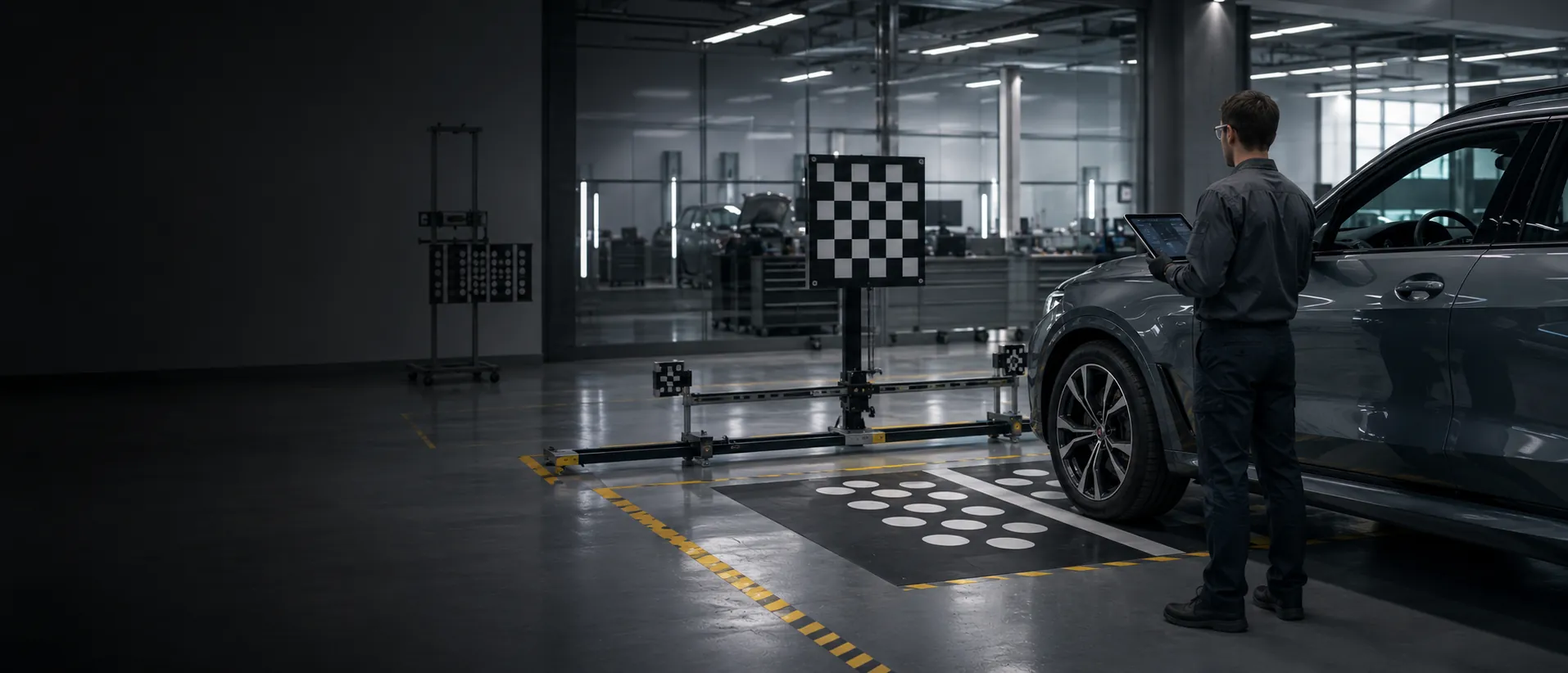
Camera, radar, and sensor calibrations are completed with exacting standards to ensure driver-assistance systems perform properly.
Calibration to OEM standards
Diagnostic scan and verification
Safety-system performance checks
About ADAS calibration
Safety systems only work when sensors aim true
ADAS—cameras, radar, ultrasonics, and the modules that fuse them—depends on geometry. Millimeters of misalignment after a windshield, bumper cover, or structural pull can mean lane assist that hunts, emergency braking that triggers late, or parking sensors that lie. None of that is “just a software reset” if the hardware is aimed wrong.
Where calibration goes wrong, it tends to look like this: a warning lamp that will not clear, a system disabled after unrelated body work, or a vehicle that “feels fine” until the first hard rain or night drive exposes marginal aiming. Shops that skip documented targets or treat calibration as optional create liability you carry in the driver seat.
Imported Dynamics treats calibration as part of the repair plan, not an afterthought. We follow OEM positioning and static/dynamic procedures where they apply, tie calibration to the rest of collision or glass work, verify with diagnostics when required, and leave you with plain-language notes on what changed before you drive away.
OEM procedures & targets
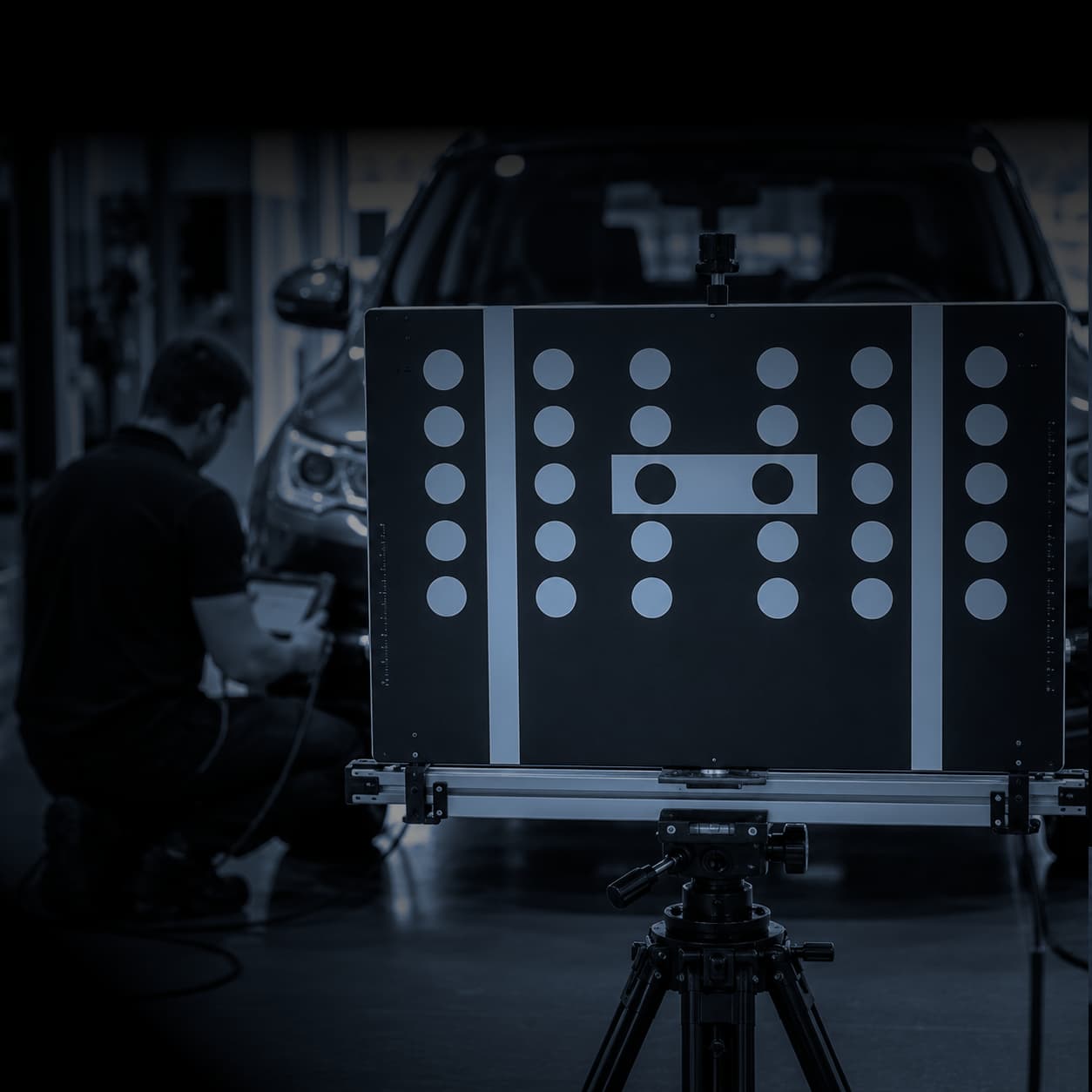
Manufacturer tables and fixtures exist for a reason—we use them so adaptive cruise, braking assist, and surround systems behave within the tolerance the vehicle was engineered for.
Post-repair verification
Scans and function checks after structural, suspension, or glass work catch “calibrated but not correct” outcomes before they become your problem on the highway.
Documentation you can file
Calibration and scan records belong in the same story as the body repair—useful for carriers, resale, and any future shop that needs to know the baseline.
Lifetime workmanship warranty
Covers defects attributable to our labor and workmanship on the documented repair under written terms—not unrelated damage afterward, corrosion, abuse, or failures covered only by a parts manufacturer.
Complete adas calibration
- ✓Structured damage inspection and documentation
- ✓Repair planning aligned with OEM procedures
- ✓Structural and body work as required
- ✓Panel repair or replacement with precise fit
- ✓Finish, blend, and quality control checkpoints
- ✓Final delivery review with you before pickup
Built to spec
ADAS Calibration is executed with documentation, QC checkpoints, and the same standards we’d demand on our own vehicles.
Our Repair Process
01
Inspect
Assessing damage, documenting condition, and confirming a safe, accurate scope of work.
02
Plan
A detailed repair plan aligned with OEM procedures, parts, and your timeline.
03
Repair
Expert restoration — structural, body, paint, and calibrations as required.
04
Deliver
Quality checks, calibration verification when applicable, and a clean handoff.
Ready to move forward?
Talk to our team about ADAS Calibration.
Our work
ADAS Calibration Completed After Front-End Repair
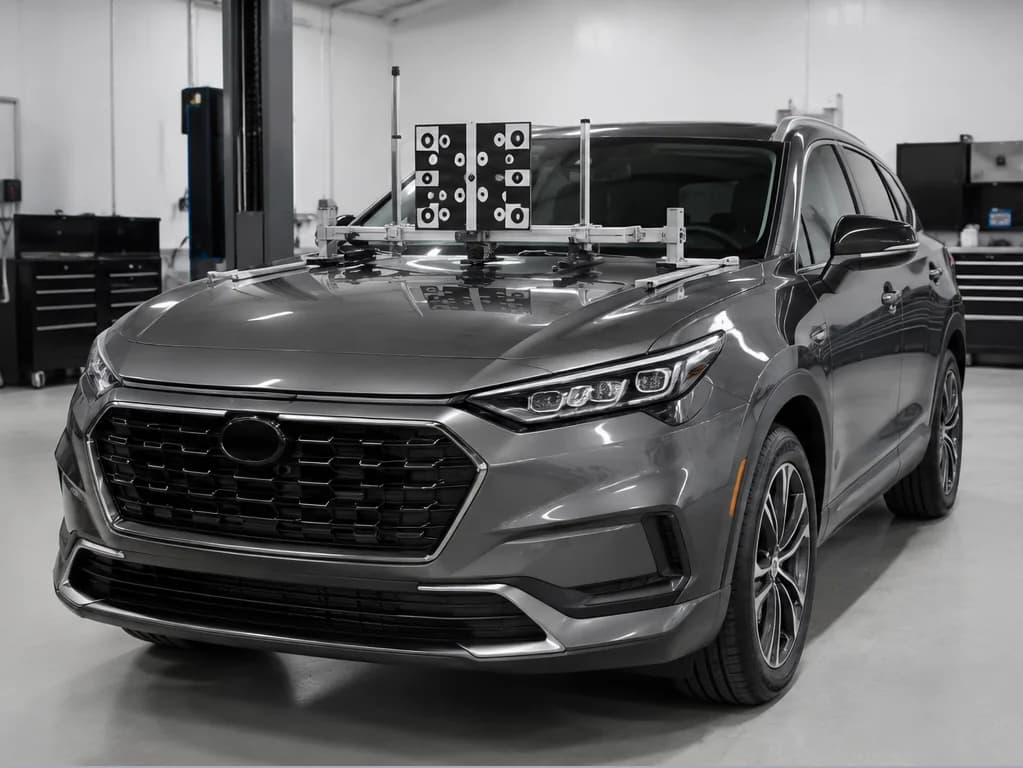
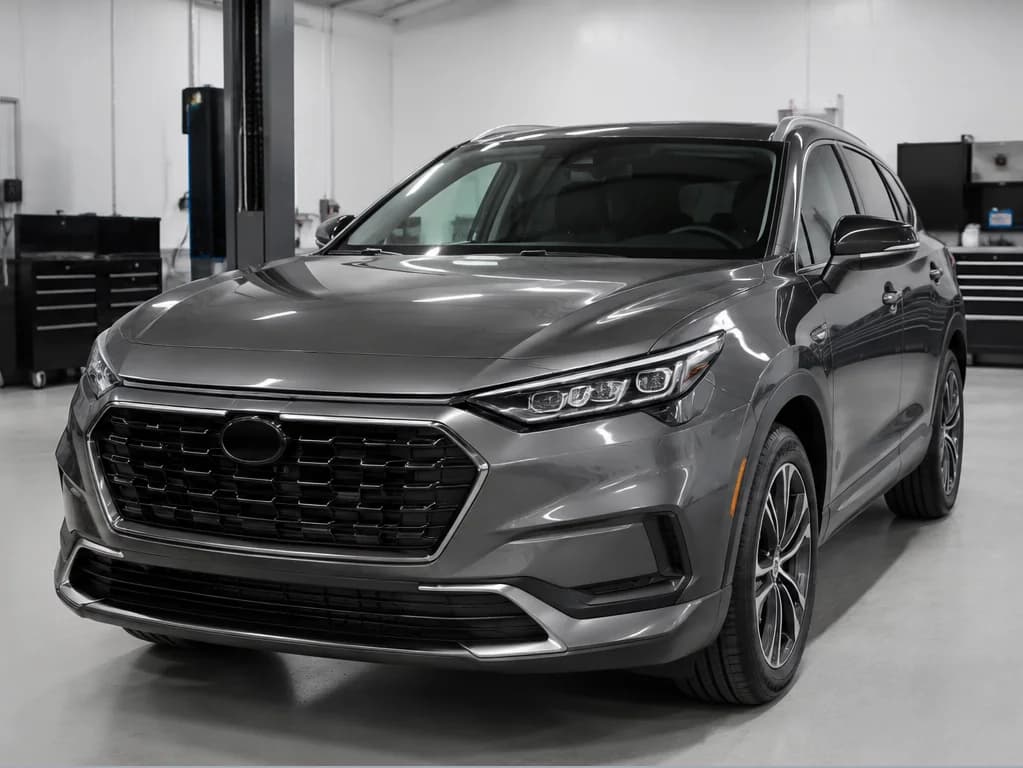
Following repairs to the vehicle's front structure and windshield mounting area, the forward-facing driver assistance camera system required a full recalibration to restore factory safety specifications. Even minor shifts in sensor position, ride height, alignment angles, or windshield geometry can cause ADAS systems to misread lane markings, following distance, and collision data — potentially leading to inaccurate braking or lane-keeping performance.
In the "before" stage, our technicians performed a precision static calibration using manufacturer-approved targets and alignment equipment to verify the camera's positioning and communication. Once calibration values were confirmed and all systems passed post-repair validation, the equipment was removed and the vehicle underwent final quality checks.
The "after" result shows the vehicle fully calibrated, safety systems restored, and ready to return to the road with OEM-level accuracy and performance.
Frequently asked questions
Questions about ADAS Calibration
Straight answers about how we approach this work—what to expect, how decisions get made, and how we communicate with you (and your insurer when applicable).
Many manufacturers require calibration after windshield replacement, suspension or structural changes, wheel alignment beyond a threshold, or any work that disturbs cameras, radar, or mounting angles. We follow OEM guidance for your vehicle so systems aren’t left misaimed.
Driver-assistance features may warn incorrectly, intervene at the wrong time, or stay disabled. That affects convenience and safety. We don’t recommend ignoring calibration when procedures or diagnostics indicate it’s required.
It varies by brand and how many systems need targeting—some are quick static procedures, others need road cycles or multiple targets. We’ll schedule adequate time and communicate if factory procedures require additional steps or scans.
Capability depends on equipment and brand requirements. We perform many calibrations on-site; when a specialty tool or environment is required, we coordinate with trusted partners and track completion so nothing is signed off incomplete.
When calibration is a necessary part of a covered loss and documented on the claim, many policies include it as part of the repair. Coverage varies—we’ll help itemize it clearly so your carrier can evaluate it with the rest of the estimate.
Explore other services

Collision Repair
Expert repair for all makes and models.

Paint & Refinish
Factory-level color matching and refinish.

Custom Body Work
Panel reshaping and fabrication for precise fit and finish.

Frame & Structural
Precision alignment and structural integrity.

Vehicle Wraps
Custom wraps for protection, style, and branding.
Stay in the know
Tips, shop updates, and seasonal reminders from the Imported Dynamics team — no spam.